General Info
- For PROJECT UPDATES, click HERE
- Questions, Concerns: reimagine@tarpits.org or call 213-763-3382
- Project Emergencies: Call NHMLAC Security Dispatch at 213-763-3333
- Non-Emergencies (including after-hours and holidays): Call NHMLAC Security Dispatch at 213-763-3414
Museum Closed for Renovations | Insider Tours Available During Construction
La Brea Tar Pits is undergoing a two-year transformation. During this time, indoor exhibitions, ticketed museum experiences, and public museum admission are temporarily paused.
While the indoor galleries are transforming, select outdoor areas and excavation sites remain accessible. Visitors can also get closer to the work happening on site through La Brea Tar Pits Insider Tours.
La Brea Tar Pits
A Place Like Nowhere Else
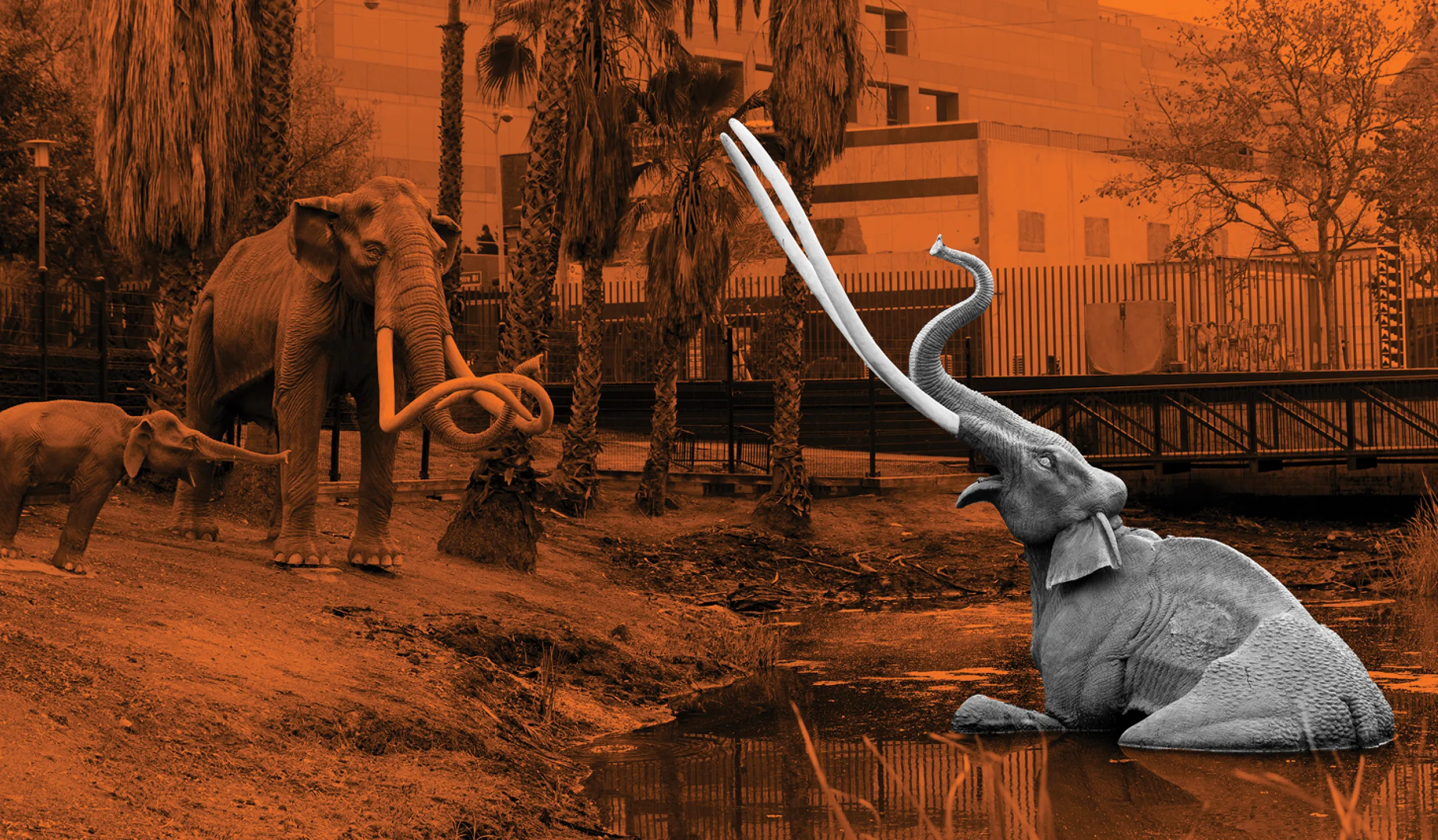
La Brea Tar Pits is a uniquely L.A. experience that blends science, surprise, and discovery. For nearly a century, this site in the heart of Los Angeles has fascinated visitors from around the world as the world’s only active Ice Age fossil site where discoveries are still made daily.
Most of these finds are cared for inside the Museum, from towering mammoths and giant ground sloths to millions of tiny microfossils. Nearly 50 years after the museum opened, we’re running out of room!
With the Museum now closed for its two-year transformation, modernized spaces will increase capacity for more than two million specimens. They will also support more sustainable infrastructure and improve community access to one of the world’s most extraordinary windows into the Ice Age.
A New Chapter for La Brea Tar Pits
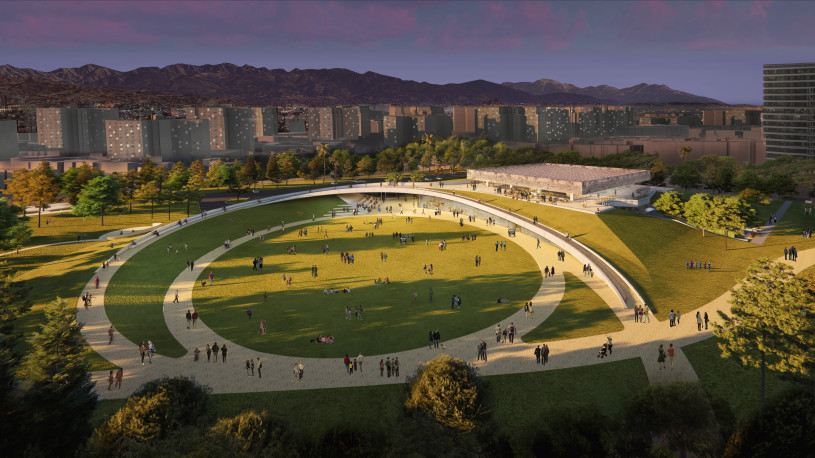
A reimagined La Brea Tar Pits will transform the site — the first major renovation in nearly 50 years — creating new ways to experience science, discovery, and the grounds themselves.
The project will introduce new research spaces, updated exhibition areas, and expanded environments across the site, designed to help visitors better engage with the scientific process.
At its core, the reimagining brings visitors closer to the discoveries happening every day, connecting past ecosystems, climate change, and the science shaping our understanding of the world today.
The Samuel Oschin Global Center for Ice Age Research will be the intellectual core of La Brea Tar Pits, studying how ancient ecosystems responded to climate change and extinction events, and what those lessons mean for us today.
Stay Connected
We’re still unearthing new discoveries every day. Join our museum email list, sign up for construction and project updates and follow La Brea Tar Pits on social media (Facebook | Instagram | TikTok | Bluesky) to stay connected as the Museum prepares for its next chapter.
The Exploration Continues

Your exclusive backstage pass to the Ice Age. Go behind the scenes with scientists, sort real fossils, and explore bubbling tar pits up close.

We have excavated over 3.5 million fossils from the Tar Pits, and we’re still digging!

Witness "tar" bubbling to the surface, discover our iconic Lake Pit, and walk through this amazing natural phenomenon and active dig site.