The Beasts of Pampa La Brea, a Peruvian Tar Pit
Discover some of the Ice Age titans of Talara, the asphaltic site in Northwest Peru

Published August 2, 2026
La Brea Tar Pits is a singular site—an asphaltic Ice Age fossil site in the heart of a major city with more than a century of ongoing excavation and study.
Its unique location and decades of study have produced the richest, most well-studied collection of ice age fossils on the planet. There might be only one La Brea Tar Pits, but (though rare), there are other tar pits on the planet. Possibly the second most fossil-rich tar pit is Talara, in Piura, Peru, where La Brea Tar Pits researchers from the Samuel Oschin Global Center for Ice Age Research have been working alongside colleagues at the Instituto de Paleontología at the Universidad Nacional de Piura, Peru, as part of the BREAS initiative (Bridging Research and Education at Asphaltic Sites).
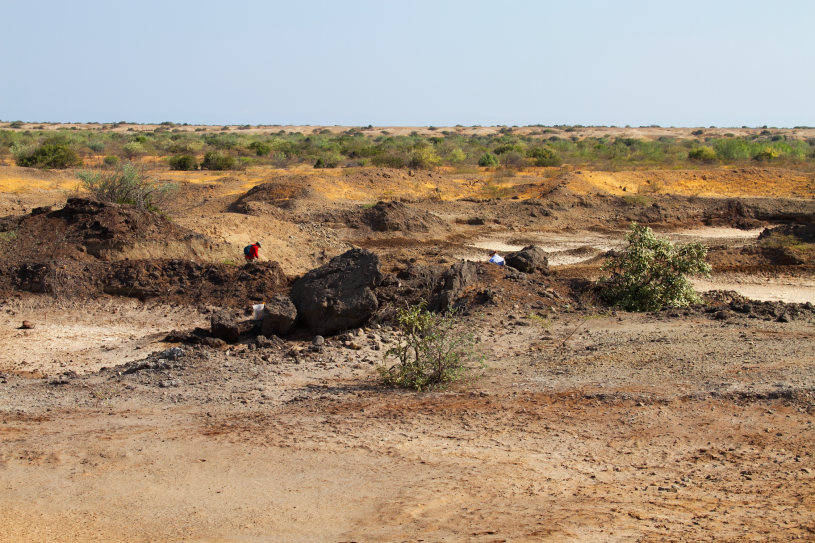
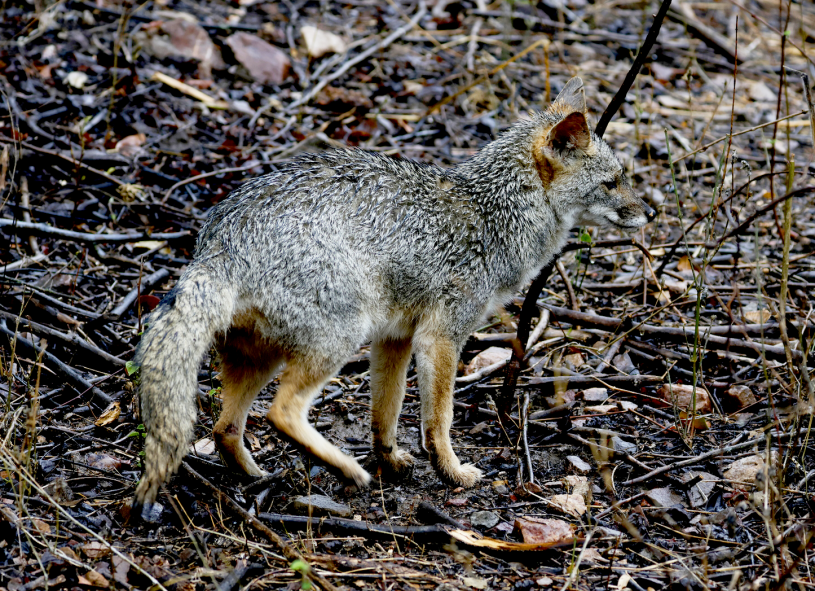
Like L.A.’s Tar Pits, researchers think Talara (also called Pampa La Brea) was a predator trap where unsuspecting carnivores became stuck in the asphalt after encountering a fatal free meal. There’s even overlap with some iconic La Brea species, despite the great distance between the two tar pits; dire wolves and Smilodon fatalis stalked (and got stuck in) these pits as well.
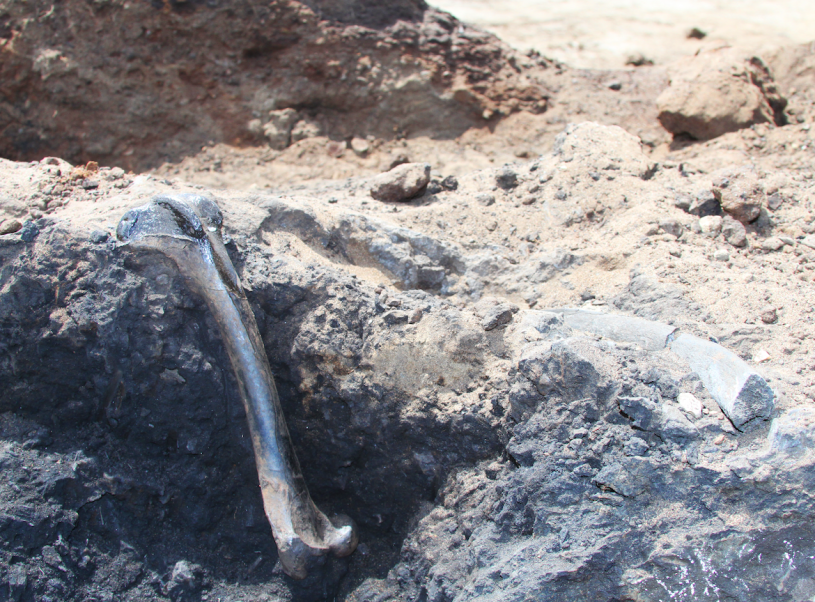
Talara has an impressive number of bird fossils, delicate bones that rarely make it into the fossil record. The abundance of birds suggests the site operated similarly to its North American counterpart. One difference between the two sites is the types of birds found. La Brea Tar Pits boasts an impressive collection of avian fossils, most of which are of birds of prey. Talara has more waterfowl than La Brea, suggesting it was much wetter at the Peruvian site at the end of the last Ice Age.
Like La Brea, many of the smaller animals found at Talara still exist today. At La Brea, those small animals largely still reside in the area. The surviving smaller animals from Talara are found much further away from the site today, reflecting how dramatically the regional environment has changed. Three of the biggest standouts are probably the beasts—a trio of giants found at Talara, not in L.A. These beasts share the Greek-derived suffix θηρίον or therion, meaning beast. They certainly live up to the moniker.
Pampatheres
The name of this group of giant armadillo-like creatures translates to ‘beast of the pampas’, referring to the Pampas Plains of southeastern South America. ‘Pampa’ is the word for ‘plains’ in the Quechua language spoken by the indigenous people of Peru, along with other South American regions. Unlike their insectivore cousins alive today, scientists believe these giants were herbivores, likely grazing on the plentiful grasses of the much wetter Talara at the end of the last ice age.
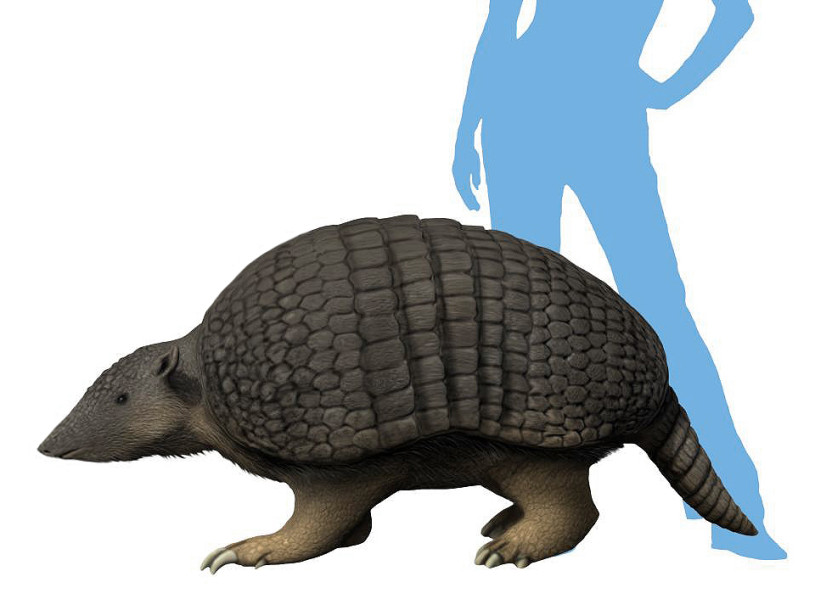
Illustration by Nobu Tamura
Shared under the Creative Commons Attribution 4.0 International license.
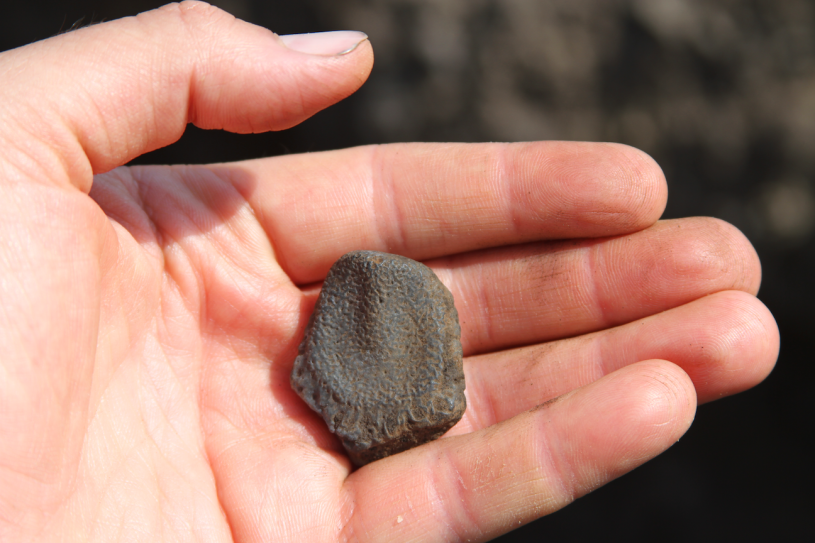
The genus identified at Talara, Holmesina, reached up to six feet in length and weighed 500 pounds, dwarfing the living giant armadillo of South America, at just 35 inches and merely 100 or so pounds. Pamapatheres shared a similarly flexible armored shell with modern armadillos, composed of bony plates called scutes or osteoderms. These plates make up the majority of Pampathere remains at the site, where their size and ornamentation helped researchers identify the armored beast.
Gomphotheres
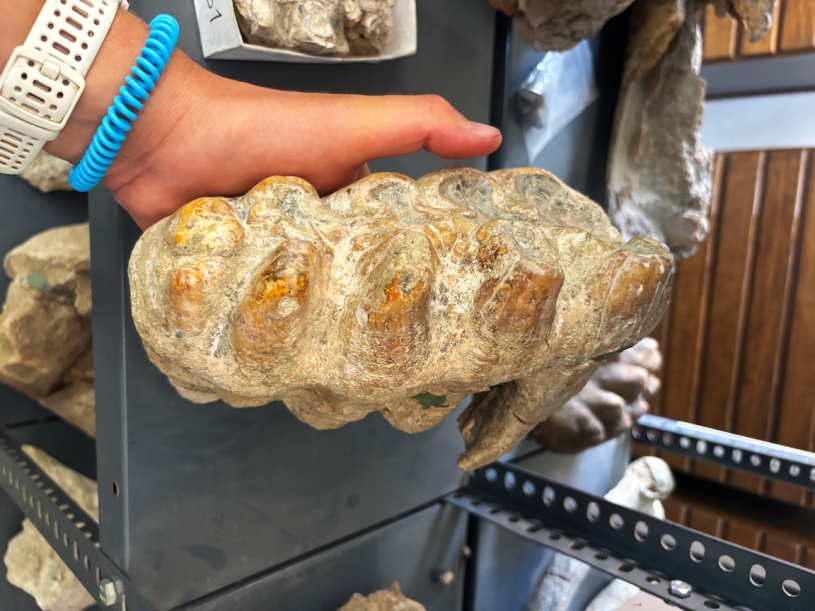
While the Columbian mammoth and American mastodon stomped through La Brea Tar Pits, Talara was home to an entirely different proboscidean (ancient extinct elephants and their living cousins). Gomphotheres were a group of prehistoric elephants that got their name from the Ancient Greek γόμφος (gómphos), "nail". This group differed from modern elephants in the shape of its molars—more rounded—and the amount of its tusks, at least in the older species, which had four. The two straight tusks up top and on the bottom (the nails) gave Gomphotherium (and the whole Family, Gomphotheriidae) its name.
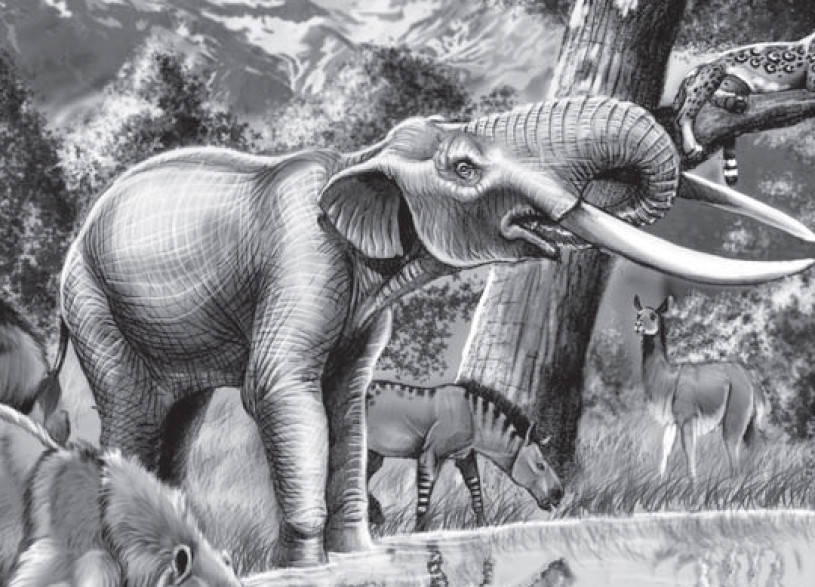
Illustration by Jorge González
Shared under the Creative Commons Attribution 4.0 International license.
Two species of gomphothere trampled around South America during the Ice Age, with Notiomastodon being the only identified Gomphothere from Talara. It wasn’t very big (for an elephant), reaching heights of just over eight feet. Unlike the earliest Gomphotheres, Notiomastodon had just two tusks, thick and usually curved. Gomphotheres at Talara are part of the long tale of proboscidean migration from Africa across the Gomphotherium land bridge, which connected Africa to Eurasia from roughly 20 to 15 million years ago, then expanded into North America, and finally reached South America.
Eremotheres
This ancient proboscidean would have been dwarfed by the giant ground sloth, Eremotherium laurillardi. Eremotheres towered above their competitors as well as would-be predators at an astonishing 20 feet in length (including a long tail) and 13 feet standing upright on its hind legs.
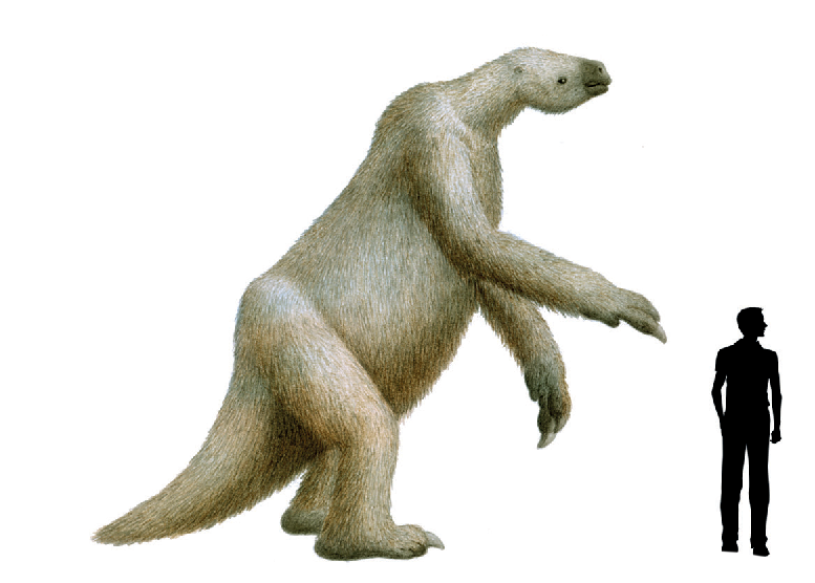
Illustration by Renato Lopes
Shared under the Creative Commons Attribution 4.0 International license.
E. laurillardi's sheer size, combined with two massive claws on its forelimbs, protected it from predators. It’s unclear how intimidating their inward-turned hind feet would’ve been, but they were probably big enough to step on most dangers. Eremotheres, the biggest ground sloths at Talara, would have overshadowed their northern counterparts at La Brea (plus the two merely hippopotamus-sized sloths also found at Talara). With a range to match their awesome size, Eremotheres made it all the way to what is now Florida.
Like the saga of the Gomphotheres, the road between continents for ground sloths was made possible by the emergence of new land, the isthmus of Panama, which connects North and South America today. It’s an intersection of migrations between the two Americas, with animals originating in the southern continent, like ground sloths and armadillos, heading to North America, while ancient elephants and saber-toothed cats, among many others, expanded their territory southward in the Great American Biotic Interchange of 2.7 million years ago.
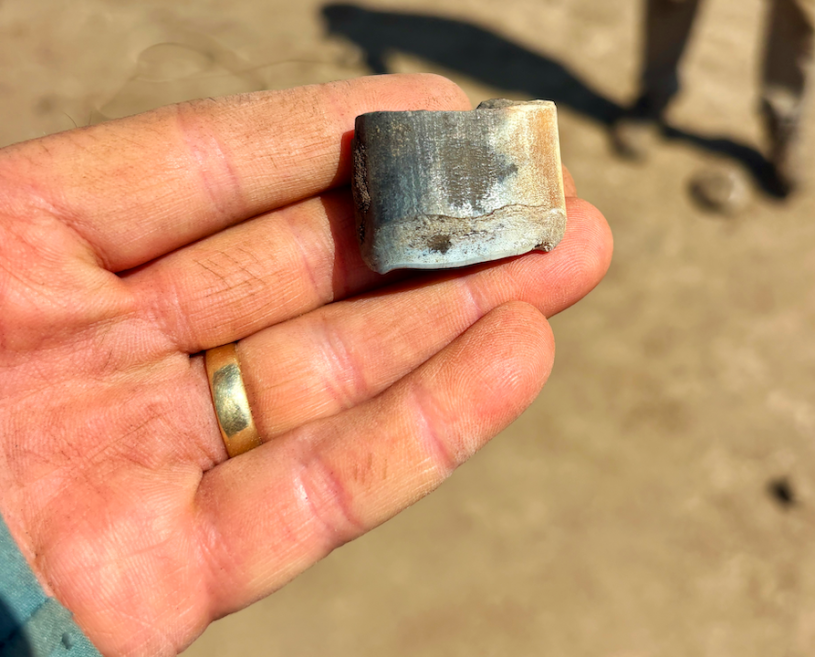
While the signs of Talara’s ancient giants litter the windswept dig site, and paleontologists continue to meticulously excavate megafauna from newly discovered tar pits there, it is hard to imagine the landscape that could have supported such magnificent beasts in today's desert. What would a Pampathere graze on with so little plant life? How would a herd of Gomphotheres get enough water to drink in the desert? Their presence in the fossil record speaks to how greatly the area's climate has changed in the relatively short time since the end of the last ice age.
Smaller Beasts Tell a Bigger Story
The name Eremothere derives from the Ancient Greek word ἔρημος, which can be translated to either ‘desert’ or ‘solitary’. While that Eremotherium lived in a world of giants, humans are the biggest thing on the landscape of Talara today, the new solitary beasts. But how exactly did that happen?
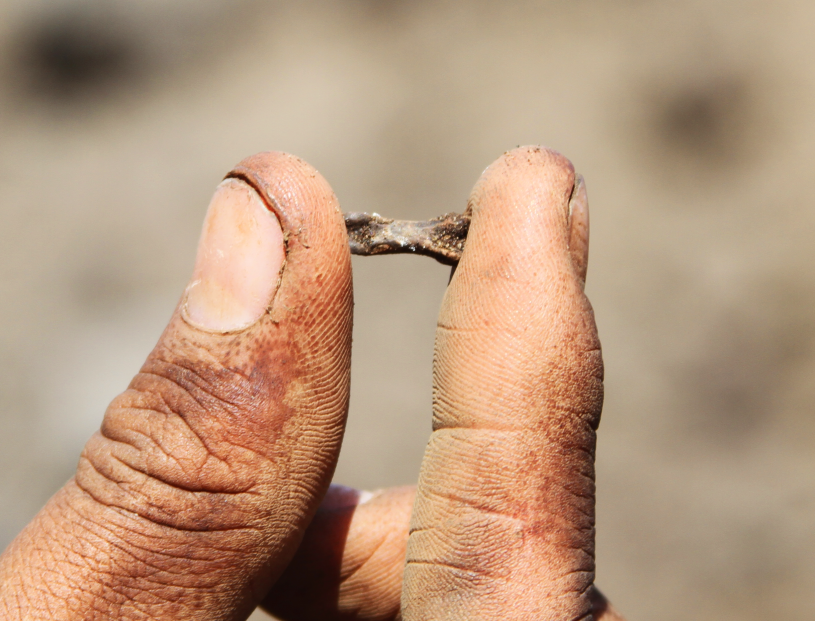
At La Brea Tar Pits, we know that Ice Age world was brought low by human-caused fires and climate change. The Talara of that era underwent even more drastic climate change, but the mechanisms behind that radical shift are not yet well-understood. To get the clearest view of environmental factors like temperature and rainfall, smaller animals are key. Reptiles and amphibians are much more sensitive to changes in heat. Researchers are currently reviewing the collections of reptiles, amphibians, and small mammals from Talara, unearthing new insights into the ancient climate. Scientists at both institutions have been scouring the sediments for fossil rodents and other small mammals, which are very good proxies for rainfall. Those newly exhumed miniature fossils are back at the University’s lab for researchers from institutions across the planet.
As further excavation reveals more small animals alongside giants, and researchers expand their studies to include more of these tiny climate proxies, the climate changes that transformed Talara will be clearer than ever before, and the ancient world of giant mammals will be reconstructed through the lens of the creatures at their feet.