The Bugs of La Brea Tar Swamp
Meet some of the insects found at La Brea Tar Pits and discover how these microfauna can tell big stories about our climate, past, present, and future

Published May 5, 2026
Picture Los Angeles of the last Ice Age: herds of mammoths and mastodons thunder down Wilshire, and saber-toothed cats prowl the Hollywood Hills. Probably there are some dire wolves, and hey, is that a ground sloth?
The megafauna take up a lot of space in our imagination of the world preserved at La Brea Tar Pits, but the microfauna—the bugs crawling beneath their hooves and feeding on their entrapped carcasses—have their own story to tell about Ice Age Los Angeles.
Less of a Pit, More of a Swamp
The Samuel Oschin Global Center for Ice Age Research has a robust collection of Pleistocene bug fossils, a resource with incredible potential to help us better understand the largest mass extinction event since the fall of the dinosaurs and a time of rapidly changing climate, as we face parallel challenges today. At the Tar Pits, researchers have unearthed well over 100,000 arthropods, the group of invertebrates with exoskeletons, segmented bodies, and jointed limbs that includes spiders and insects (anything buggy, really). We’re talking millipedes, scorpions, spiders, flies, ants, wasps, pill bugs, and beetles. Especially beetles.
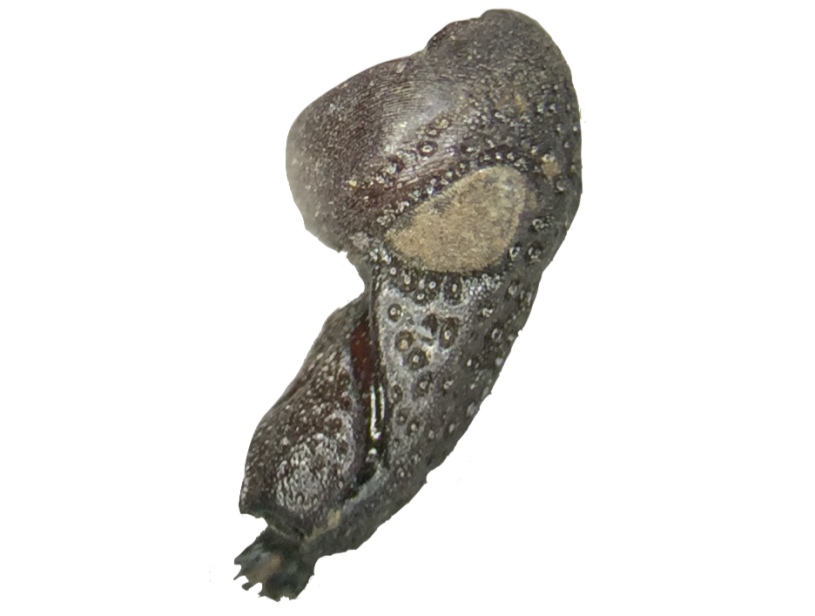
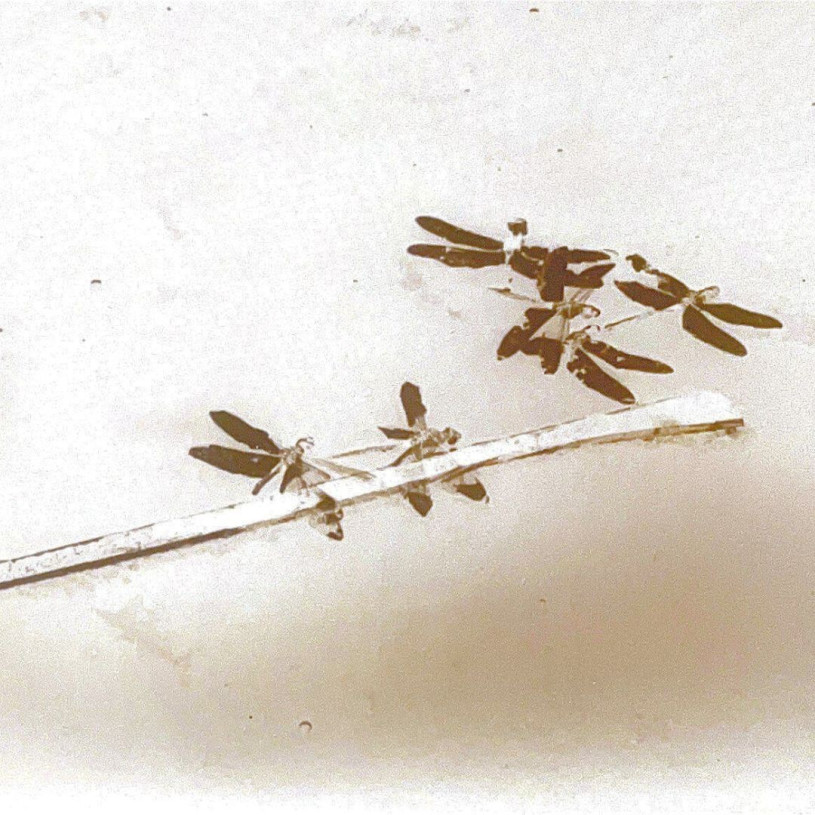
Beetles' bodies are harder than those of a lot of other insects, making them more likely to be preserved in the asphalt. Plus, some of them were aquatic, and back in the Ice Age, the Tar Pits were more of a tar swamp, with asphalt seeps covered by a thin layer of water, with riparian vegetation growing around them. They captured thirsty (and hungry) animals and beetles just looking for their aquatic habitat. Some beetles were also carrion feeders and got trapped just like predatory megafauna, ignoring personal safety for an easy meal. At the same time, other aquatic insects might have become stuck while laying eggs, such as the giant water bugs, which deposit their offspring on plants near freshwater.
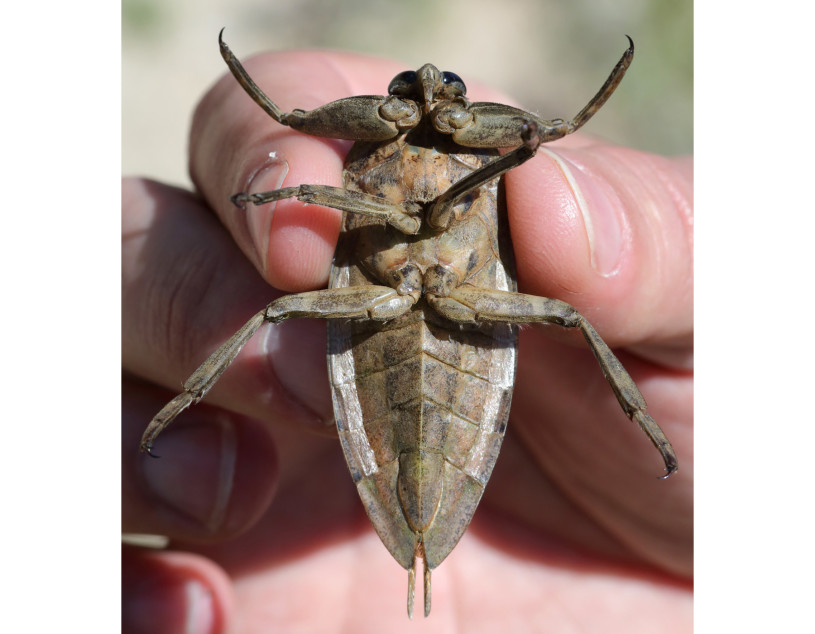
Very few of the arthropods found at the Tar Pits are extinct, but many have moved out of the region as the climate has grown hotter and drier. From 2 to 2.5 inches long, the giant water bug Lethocerus americanus is one of the biggest examples. Males typically guard their partners’ eggs, and they are intimidating. These tiny behemoths are found in freshwater environments, where they eat other insects, and even small frogs and fish. The presence of insects like L. americanus in the Tar Pits fossil record helps researchers reconstruct the paleoenvironment from a more granular, bugs-eye view.
In a 2017 study, researchers used fossil insects from the Tar Pits to reconstruct the last 50,000 years of the Los Angeles Basin’s climate. Because they are more sensitive and less mobile than the megafauna found at the Pits, insects like beetles make better proxies for reconstructing paleoenvironments, especially species with well-known climate ranges and habitat restrictions, such as darkling beetles.
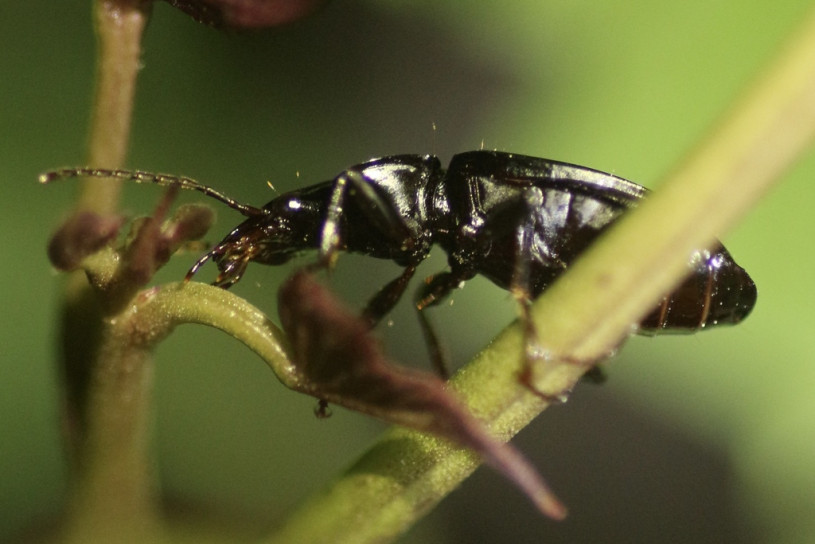
Advancements in radiocarbon dating of insect chitin, the material that makes up insect exoskeletons, have allowed researchers to get a more precise measurement of fossil insects’ ages. The team behind the study radiocarbon-dated 182 darkling beetle fossils, identifying a semi-continuous presence over stretches of thousands of years. The long periods of residence suggest the environment was drier and warmer than previously thought—and relatively stable—for 50,000 years. Plus, it was comfy enough for the beetles to stay put. The study underscores how insect fossils help paint a fuller picture of L.A.’s Ice Age past.
Recently, Tar Pits researchers have been studying dung beetles to better understand how climate and food webs changed. More than 200 dung beetle specimens have been identified at the Pits, and we know there were different kinds of dung beetles living off the plentiful and diverse dung of La Brea’s megafauna, with some specializing in particular megafauna. Understanding a dung beetle’s specialization could give us an even more granular view of the mass extinction at the end of the last Ice Age.
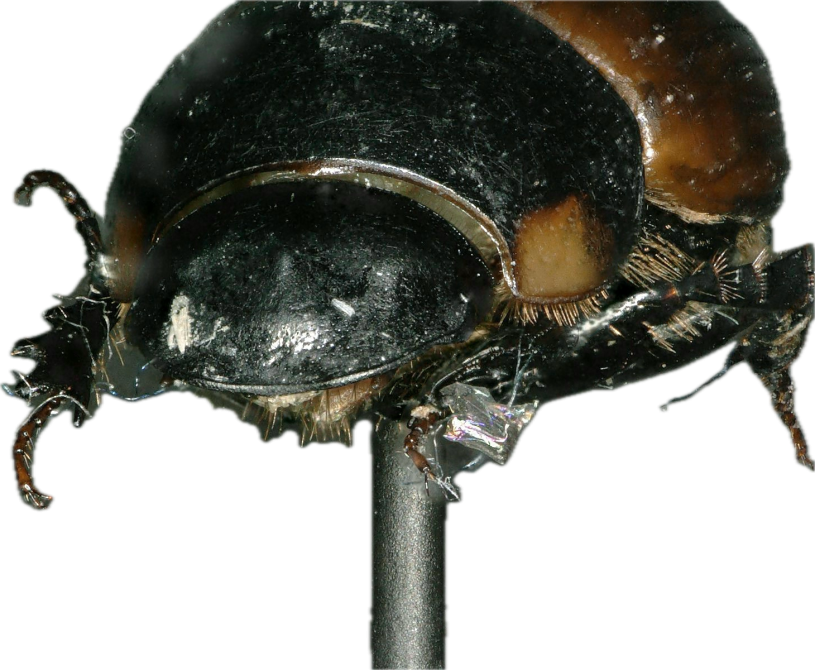
Tar Pits researchers traveled to nearby Santa Catalina Island to figure out which dung beetles might have specialized on bison. Comparing populations of dung beetles associated with modern bison, like the 100-strong herd transported to the island in 1925 by Walt Disney, could yield rich material for investigation.
”There was a great diversity of dung beetles from the last 60,000 years in the La Brea record. One of our goals is to start radiocarbon dating some of these specimens to know when they existed at our site. By "pit averaging" (using other fossils dated from the same deposit that dung beetles were found), we know we have dung beetles from over 30,000 years ago that most likely used extinct mammal species fecal material,” said Sean Campbell, Excavations Manager at La Brea Tar Pits. Along with colleagues at the Tar Pits and the Natural History Museum of Los Angeles County, Campbell has been looking at another insect found at the Tar Pits: the incredible petroleum fly.
Get Your Pooters Out
La Brea Tar Pits has a reputation as a death trap. Still, one animal flourishes among the fossils and freshly stuck critters that are entrapped every day in the asphalt seeps: the oil fly Helaeomyia petrolei.
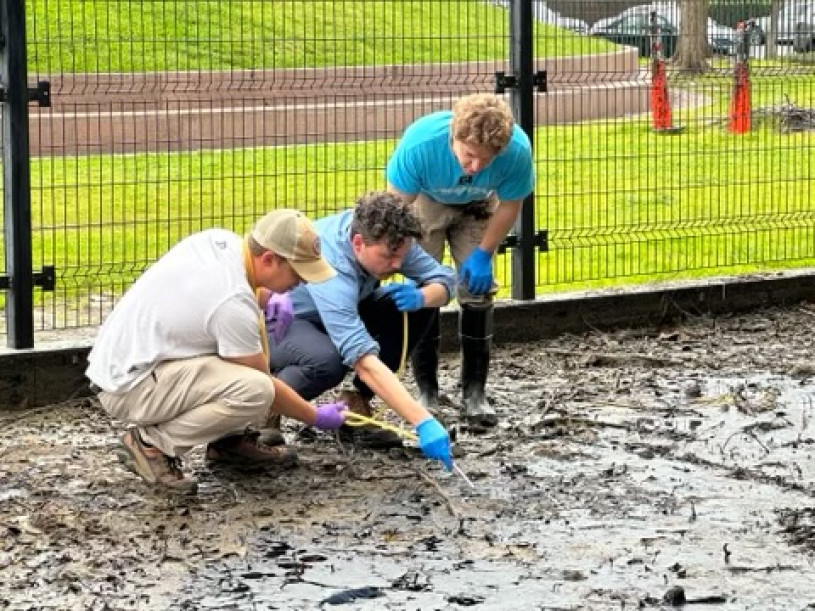
Oil flies are extremophiles with incredible adaptations for living in asphalt seeps. Where other animals struggle to escape, oil fly larvae gracefully swim, and adult flies practically dance across the asphalt. Campbell and his colleagues, like Giar-Ann Kung, Entomology Collections Manager, have been collecting the flies at the Tar Pits and other California seeps for years now, as well as traveling to asphalt seeps abroad, recently collecting them on the Caribbean island of Trinidad. They’ve also been reported in Cuba, but not yet confirmed there by Tar Pits researchers. To collect oil flies, researchers use a tube with a chamber to catch delicate specimens, such as insects, known as an aspirator or “pooter”. Kung also manages the Museum’s Scanning Electron Microscope, producing the closest look yet at these poorly understood flies and their larvae.
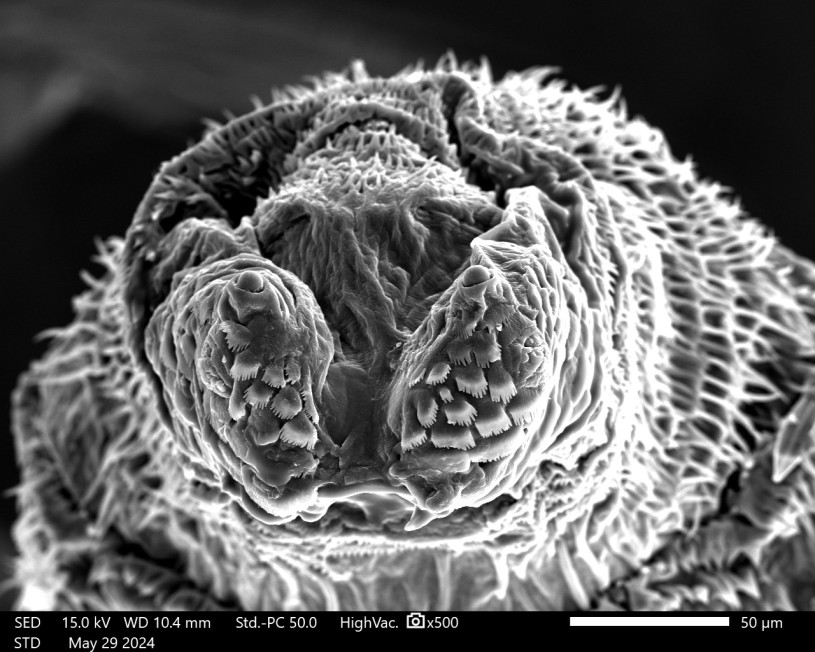
The investigation has grown to include an international team, including one of NHM’s new Entomology Curators, Dr. Megan Barkdull.
“While we typically think of the asphalt that seeps from the ground in places like La Brea Tar Pits as spelling certain death for any animal unlucky enough to encounter it, the tiny insects known as oil flies are a fascinating exception. These extremophile insects have evolved to live within the tar as larvae, where they swim around and feed on other creatures that have been trapped,” says Barkdull. “Together with collaborators, my ongoing research seeks to understand how populations of oil flies have evolved and spread across the Southern California landscape through time, and how the flies can thrive in the toxic goo.”
Understanding how these peculiar flies survive in the harsh conditions of the Tar Pits is only one of a swarm of questions that researchers hope to answer through bugs at La Brea. The abundance of insects and other arthropods from the Tar Pits promises even greater understanding of our Ice Age past. So look out for the little Ice Age Angelenos—they’ve got big stories to tell.

