The SNERCH for True Love: A Sinistral Snail Tale
This Snail Search season, be on the lookout for snails with counter-clockwise shells

Published February 13, 2026
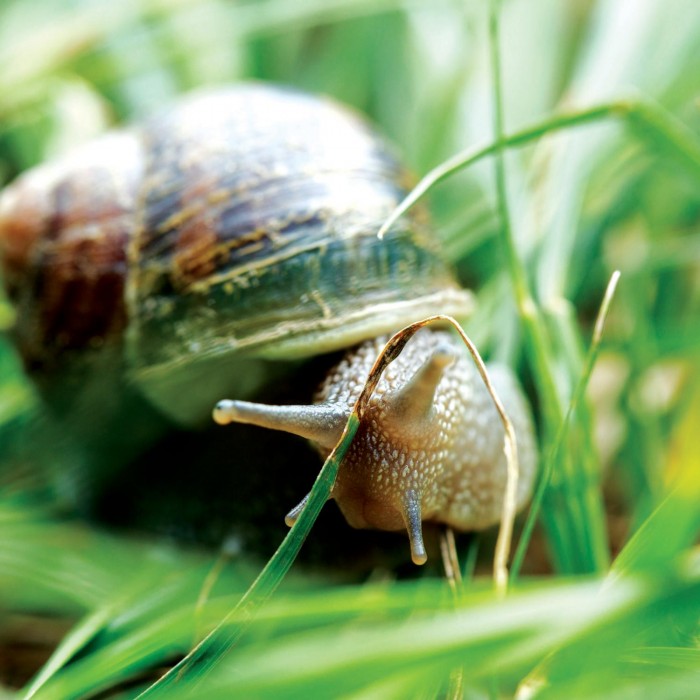
Pop quiz: which way does a garden snail’s shell spiral? Almost all of them spiral clockwise—to the right—but a very, very, teeny, tiny, amount of them spiral left—counterclockwise.
Their coiling direction is called ‘chirality’. It’s so rare that even experts steeped in snails and slugs (and clams and squids and octopuses) might go their whole lives without seeing one. Dr. Jann Vendetti, Curator of Malacology at NHM, has seen one: the dearly departed Sandy.
“Extreme rarities like sinistral snails are virtually impossible for one person to intentionally find,” says Dr. Vendetti. “But a social network like iNaturalist involving thousands of observers makes discovering these wonderful aberrations more possible.”
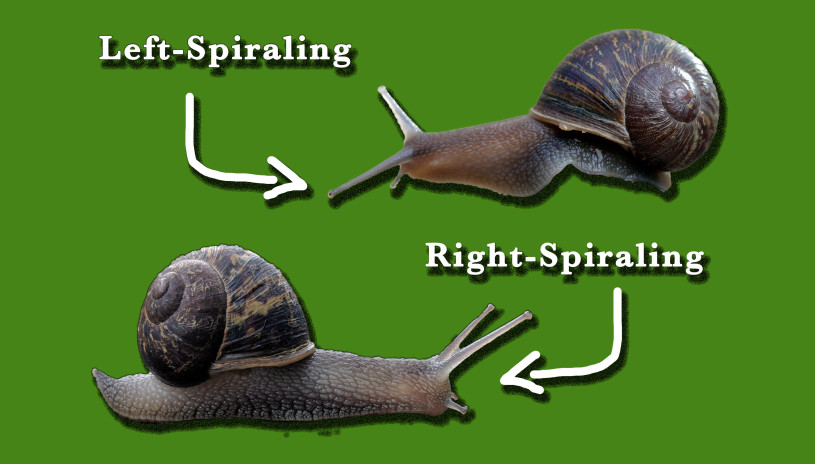
Named for Sandy Koufax, the storied left-handed pitcher for the L.A. Dodgers, Sandy was a sinistral snail (the technical term coming from the Latin word sinister, meaning left-handed). iNaturalist user Alex Bairstow submitted the observation and quickly recognized that something was different about the snail. Connecting through the app, Bairstow and Dr. V coordinated bringing Sandy to NHM in the hopes of learning more, and possibly making a love connection.
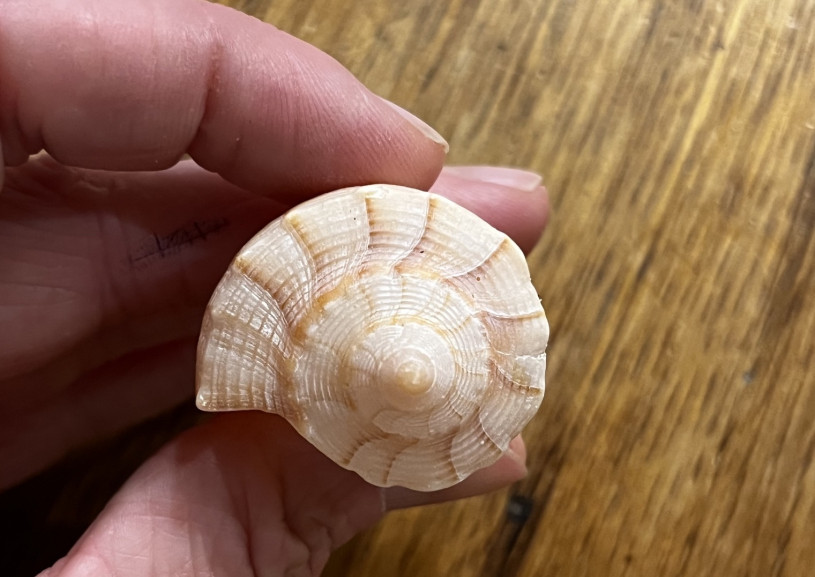
Because, while Sandy spent a healthy, fulfilled life, one thing was missing: true love. Left-spiraling snails literally can’t mate with right-spiraling (or dextral) snails. All snails in this species, Cornu aspersum, are hermaphrodites, meaning they have both male and female genitalia, and determine who will be the mother through complex, sometimes hours-long mating rituals, and love darts (it’s a whole thing). Sandy never had a good shot at the dance of snail love. More than just a cosmetic oddity, sinistral snails’ body plans are mirror images of their normal brethren, and therefore literally can’t mate with them.
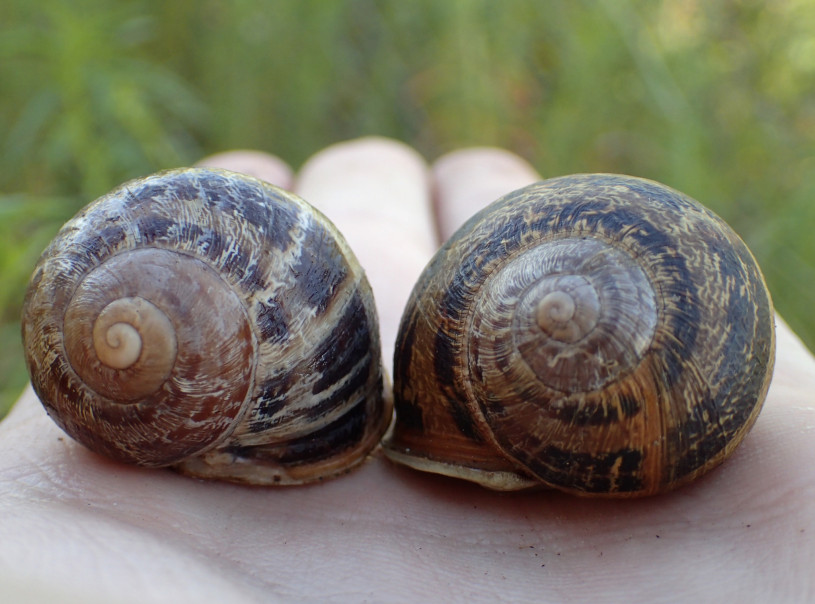
This year, we’re asking Snail Search participants to be on the lookout for sinistral snails.
“Discovering even one would be an incredible find,” says Dr. Vendetti. “Finding two would make a very rare snail love connection possible, and help us understand how this phenomenon works.”
Remember, slime is for lovers.
Want to explore more? Dr. Vendetti recommends the work of the researcher Angus Davison in "Internet shellebrity reflects on origin of rare mirror-image snails"; "Speciation and Gene Flow between Snails of Opposite Chirality"; and "The convoluted evolution of snail chirality".